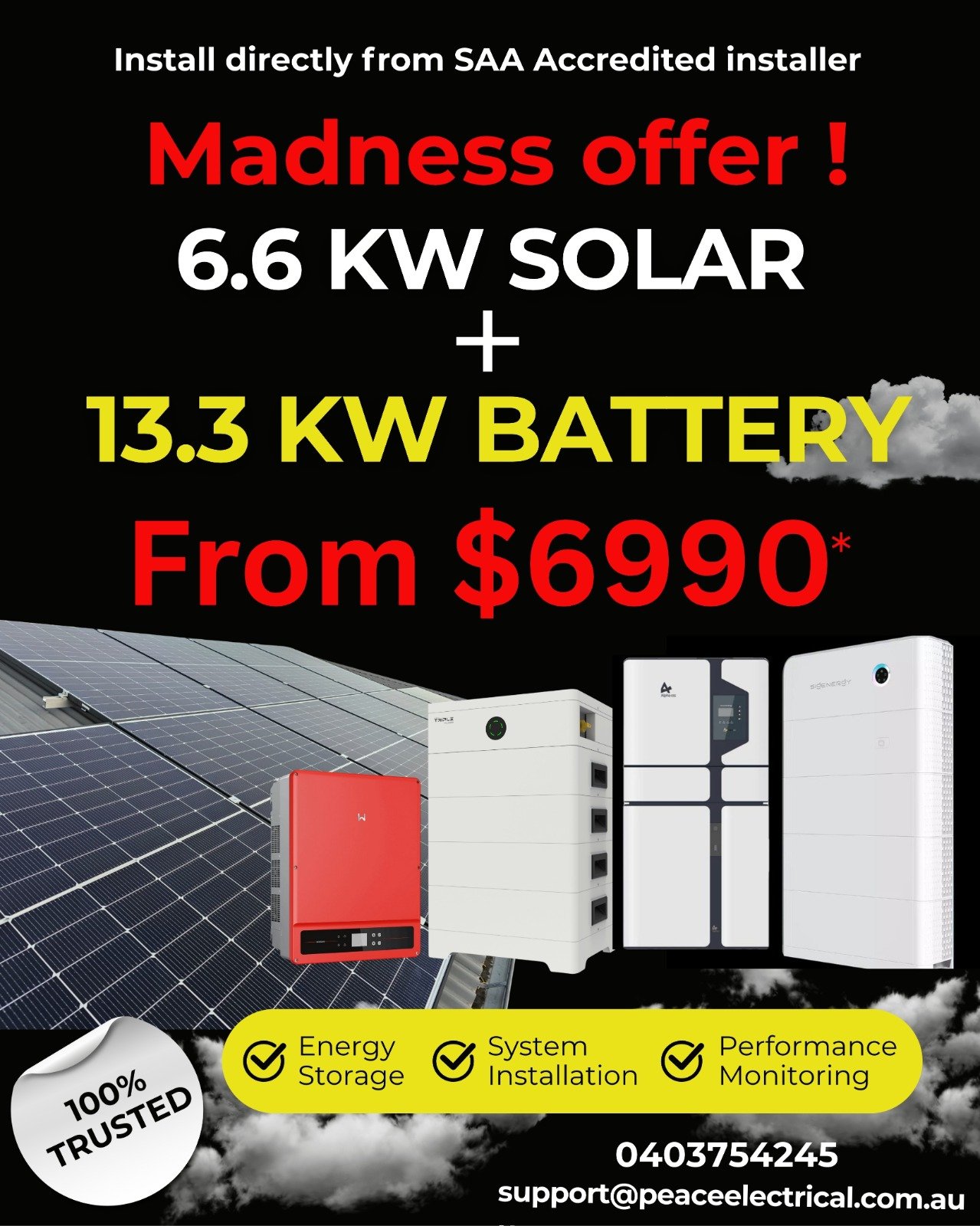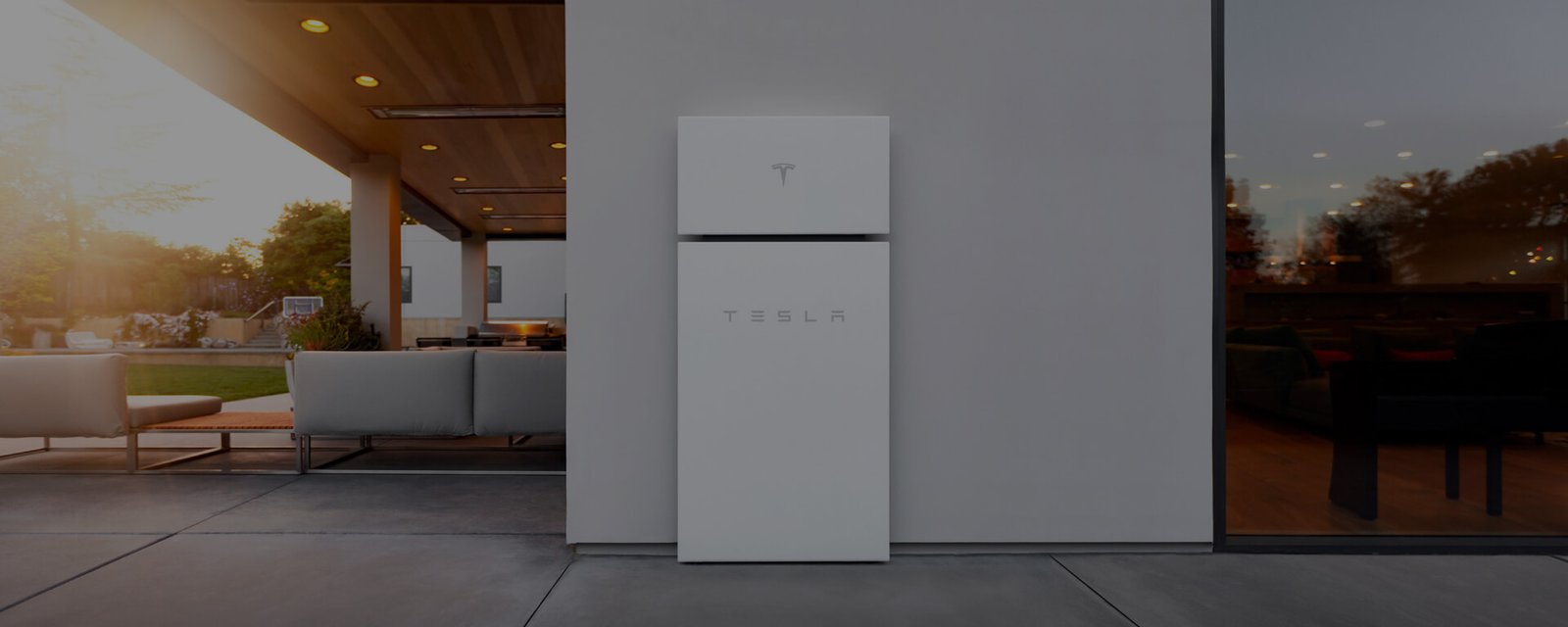

Discover real Solar Panel Payback periods, current costs, rebates, feed-in tariffs, and the impact of the sun tax – with honest numbers for Adelaide homeowners in 2026. South Australia has a solar story unlike any other state. It has some of the highest electricity prices in the country, among the best sunshine hours of any capital city, and a grid so flooded with rooftop solar that new rules-including a controversial “sun tax” – have reshaped the financial math almost overnight. So what does a realistic Solar Panel Payback period actually look like in 2026?
The short answer: 2.5 to 4 years for a well-sized solar-only system. But that headline number hides a lot of nuance. Your real Solar Panel Payback depends on how much you spend, what you do between 10 am and 4 pm, whether you add a battery, and whether the rules change again before your system earns back its cost.
Why South Australia Is Prime Solar Territory
Adelaide averages around 4.5 to 5.0 peak sun hours per day – among the highest of any Australian capital city. That means a 6.6 kW system generates roughly 28 kWh per day on average across the year, with seasonal variation from around 22 kWh in June to over 32 kWh in February.
More importantly, South Australians have historically paid some of Australia’s highest electricity prices. With grid tariffs regularly exceeding 30–35 cents per kilowatt-hour, every unit of solar power consumed directly offsets genuinely expensive electricity. That is the single biggest driver of fast Solar Panel Payback: when the electricity you replace costs a lot, your savings accumulate quickly.
One in three South Australian homes now has rooftop solar – a penetration rate that reflects both the financial logic and the cultural normalization of solar in the state.
What a System Costs in 2026
A typical 6.6 kW solar system in South Australia costs approximately $7,600 before rebates or closer to $5,500–$6,000 after applying the federal Small-scale Renewable Energy Scheme (SRES) discount. The SRES provides around $2,000–$2,155 off the upfront cost for a 6.6 kW system in Adelaide (Zone 3), based on roughly 55 Small-scale Technology Certificates (STCs) at current market prices.
If you live within the City of Adelaide (postcodes 5000 and 5006), a council rebate covering 20% of installation costs can be stacked on top, reducing your outlay further.
For those adding a battery, a 10 kWh battery brings the combined system cost to around $12,900, though the federal Cheaper Home Batteries Program – introduced in July 2025 – provides roughly a 30% discount on eligible battery installations, making storage substantially more accessible than it was even a year ago. South Australia’s own Home Battery Scheme (which offered up to $6,000) has since closed, but the federal program fills a meaningful portion of that gap.
The Simple Solar Panel Payback Calculation
The Solar Panel payback period formula is straightforward: divide the net system cost by the annual savings. But “annual savings” is where most estimates go wrong – they assume either too much or too little self-consumption.
For a household spending around $5,500–$6,000 net on a 6.6 kW system:
- High self-consumption household (home during the day, runs appliances in daylight hours): annual savings of $1,800–$2,200 → Solar Panel Payback of 2.5 to 3.5 years
- Average household (some daytime use, modest feed-in tariff earnings): annual savings of $1,400–$1,800 → payback of 3 to 4 years
- Low self-consumption household (nobody home during peak generation): annual savings of $900–$1,300 → payback of 4 to 6 years
The difference between these three scenarios is enormous – and it all comes down to what happens while the sun shines.
The Feed-In Tariff Problem
This is where South Australia’s solar landscape has become genuinely complicated.
Feed-in tariffs – the rate you receive for electricity exported to the grid – have fallen substantially. In 2026, most retailers offer between 5 and 11 cents per kWh, with ENGIE currently offering up to 11c/kWh (capped at 8 kWh/day) and most major retailers sitting around 8–10c/kWh.
But the bigger shift is structural. SA Power Networks now imposes an export charge on solar exports between 10 am and 4 pm each day – the period when panels generate the most. There is a daily free threshold of 9–11 kWh (depending on your meter type), but any exports beyond that incur a charge during those midday hours. This is what critics have dubbed the “sun tax.”
In practical terms, this doesn’t impose a direct bill on most typical households – the first 9–11 kWh exported per day is free, and many moderate consumers stay under that threshold. But it does mean that retailers have passed the cost through by lowering their feed-in tariffs, meaning the value of excess generation has quietly eroded.
The takeaway: don’t buy solar to make money from exports. The economics work when you consume your own generation. Exports are a secondary benefit, not a primary income stream.
The Self-Consumption Imperative
Given low feed-in tariffs, the fastest route to solar panel payback is maximizing the solar energy you use yourself. At 30–35 cents per kWh offset, self-consumed solar is worth three to four times more than exported solar at current FiT rates.
Practical strategies that genuinely shorten your solar panel payback:
Shift loads to daylight hours. Run the dishwasher, washing machine, pool pump, and EV charger between 9 am and 3 pm. This single habit change can add hundreds of dollars to annual savings without spending anything extra.
Hot water timing. If you have an electric hot water system, a simple timer (or smart controller) set to heat water during peak solar generation hours can be one of the highest-return changes a household makes.
Air conditioning scheduling. South Australia’s hot summers mean significant air conditioning loads. Pre-cooling the house on solar power before peak afternoon pricing reduces grid imports during the most expensive periods.
A household that optimises its consumption patterns realistically achieves 50–70% solar self-sufficiency without a battery – up from around 30–40% for a household that makes no behavioral changes.
Does Adding a Battery Make Sense?
Adding a battery changes the financial picture significantly – both the upfront cost and the savings potential.
A 6.6 kW solar system + 10 kWh battery in South Australia costs around $12,900 before federal rebates, falling to approximately $9,000–$10,000 after the 30% Cheaper Home Batteries Program discount. That is a meaningfully larger investment than solar alone.
The Solar Panel Payback period for a combined solar-battery system is longer – typically 6 to 9 years – because the battery adds cost faster than it adds savings for most households. The economy improves if:
- You have high evening electricity consumption (the battery captures midday solar for use after 5 pm)
- You join a Virtual Power Plant (VPP) program, which pays you for allowing your battery to be dispatched to the grid during demand peaks. South Australia’s REPS VPP incentive offers up to $2,050 for eligible battery owners who connect to an approved VPP
- Your electricity retailer offers a time-of-use tariff with high evening rates, making battery discharge genuinely valuable
For households that primarily want to reduce bills and maximize energy independence, a battery often makes lifestyle and resilience sense even if the pure financial Solar Panel Payback is marginal. For those focused purely on ROI, solar alone remains the stronger financial case.
What iSelect’s 2025 Research Found
A notable finding from iSelect’s 2025 Solar Panel Payback report put Adelaide’s payback at around 8 years and 6 months for lower-energy-use households – notably longer than the 2.5–4 year figures cited elsewhere.
The difference is methodology. The iSelect figure uses conservative self-consumption assumptions and reflects households with 4 kWh per day of solar usage – closer to the behavior of a household that is out during the day and exports most of its generation. The shorter figures assume active daytime consumption optimization. Both numbers are real; they just describe different households.
This gap – between the optimistic headline and the conservative real-world average – is one of the most important things prospective buyers should understand. The Solar Panel Payback period your neighbour achieved may not be the one you achieve unless you match their usage patterns.
The 25-Year Picture
Whatever the Solar Panel Payback period, solar panels in South Australia generate electricity for 25 years or more. A system that pays back in 3–4 years continues generating free electricity for another two decades.
Even under conservative assumptions – modest electricity price growth, declining panel efficiency over time – a well-installed system delivers $25,000 to $40,000 in lifetime savings for a typical Adelaide household. The Solar Panel Payback period determines when you start receiving those savings; the lifespan determines how much you ultimately receive.
Rising grid electricity prices, which have increased consistently for a decade, only improve this long-run case. Every 10% increase in your electricity tariff shortens your remaining Solar Panel Payback and amplifies future savings from a system that is already installed.
Key Variables That Move the Number
| Low self-consumption (everyone is out all day) | Effect on Payback |
|---|---|
| High self-consumption (home during day) | Shortens by 1–2 years |
| Low self-consumption (everyone out all day) | Lengthens by 1–3 years |
| Adding a battery | Lengthens by 3–5 years overall |
| VPP participation | Can recover some battery cost |
| Oversizing to 10 kW | Better export revenue, higher upfront cost |
| Premium panel brand | Marginally longer payback, longer lifespan |
| Feed-in tariff changes | Ongoing risk factor for export-heavy setups |
The Bottom Line
For most South Australian households, a 6.6 kW solar system in 2026 pays for itself in 2.5 to 4 years when self-consumption is optimised. Even under conservative assumptions – minimal behaviour change, lower self-consumption – Solar Panel Payback rarely exceeds 6 years for a reasonably priced system.
The sun tax has changed the export economics, but it hasn’t fundamentally broken the investment case. It has, however, made the behavior of solar households more important. The era of “install and forget” solar is over in South Australia. The era of smart, self-consuming solar – where you run your house on your own generation during daylight hours – has arrived.
With panels lasting 25+ years, interest-free green finance options available to remove the upfront burden, and electricity prices continuing their long-run upward trend, solar in South Australia remains one of the most straightforward and well-supported household investments available.
The real question is not whether the Solar Panel Payback stacks up. It does. The real question is whether your household’s usage patterns will capture the full benefit – or leave savings stranded on the roof.
Data sourced from Solar Choice, SolarQuotes, iSelect, Energy Matters, Photonik Solar, and the Clean Energy Regulator. System costs and tariff rates reflect May 2026 market conditions and are subject to change. This article is for informational purposes and does not constitute financial advice.
👉 Contact us today for your free quote and start saving with solar!